Combatting Boosting on Faceit
Introduction
Notably for competitive multiplayer gaming, Faceit is a well-liked platform, notably for games like Counter-Strike: Global Offensive (CS: GO) and Dota 2. It provides a variety of services, including anti-cheat software, tournament hosting, and matching. Faceit’s ranking system, which is based on Elo ratings, is one of the main elements that contribute to its popularity among gamers.
Boosting is a technique where players leverage software or a higher-ranked opponent to artificially raise their Elo rating. Boosting is forbidden on the Faceit platform since it is unethical. Faceit uses a variety of techniques, including machine learning algorithms, user reports, and manual checks, to identify and stop boosting.
Yet, boosting tends to take place on the platform and can have a big impact on how fun a game is to play. By playing at a level that is far higher than their true skill level, boosted players might spoil the games for other players and jeopardize the fairness of the ranking system.

Measures
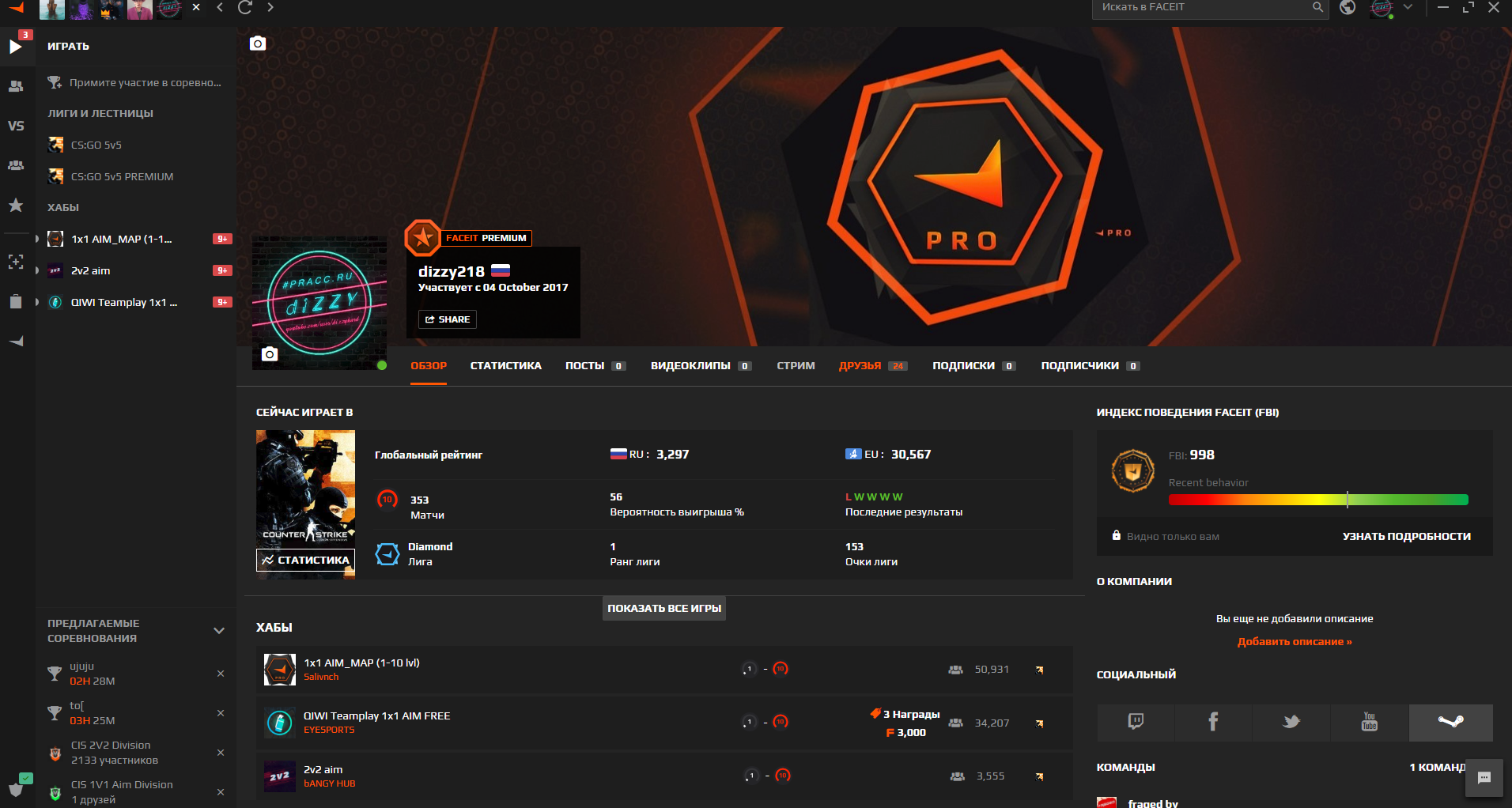
Faceit has made several modifications to strengthen its anti-cheat and anti-boosting efforts in response to this problem. Faceit FBI (Fairness and Behaviour Index), a system that tracks and grades players based on their fairness and in-game behavior, is one of these measurements. The system considers some variables, including reports, abandonments, and communication. High FBI scorers are less likely to be connected with cheating or boosting.
In conclusion, boosting the Faceit platform is a grave issue that can negatively affect the overall gaming experience. Faceit, however, has implemented many efforts to identify and stop boosting, such as the launch of the Faceit FBI system and the Anti-Cheat Client. These precautions have been successful in preserving the platform’s fairness and integrity, and they have helped to establish Faceit as a well-liked and dependable venue for competitive online gaming.